A luxury kitchen does not have to rely on dramatic marble, glossy finishes or statement-making appliances to feel exceptional. Often, the rooms that remain beautiful for years are built around materials that develop character, work hard every day and sit comfortably with changing tastes.
If you are planning a new kitchen or considering a thoughtful renovation, choosing materials is about more than appearance. Texture, maintenance, natural light and the way surfaces age all influence whether the finished space feels timeless or quickly dated. Here is how to combine enduring materials for a kitchen that feels considered, practical and quietly luxurious.
1. Start with cabinetry that has warmth and staying power
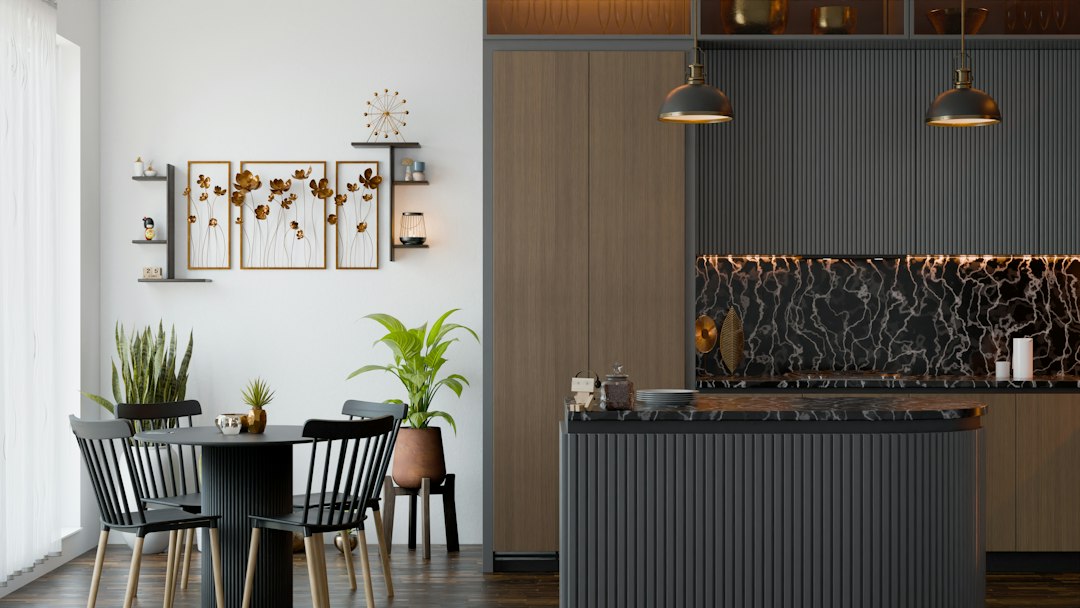
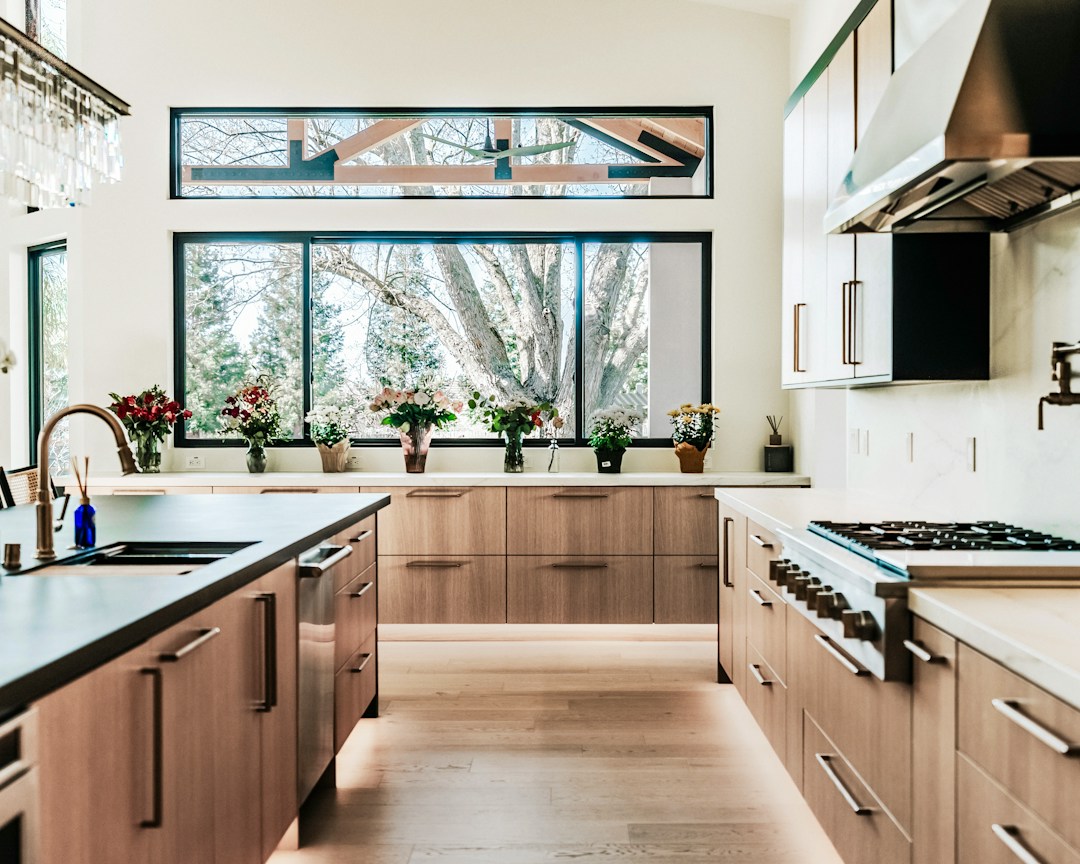
Cabinetry covers a large part of the kitchen’s visual field, so its colour and finish will shape the entire room. Natural oak, walnut and other timber finishes introduce grain and variation that can soften stone, metal and architectural lines. For a more tailored look, painted cabinetry in warm white, muted taupe, olive or deep blue can provide a calm backdrop without feeling overly trend-led.
The key is to choose a finish that works with the architecture and the amount of daylight available. In a smaller London kitchen, lighter tones and a restrained grain can keep the room feeling open. In a larger space, darker timber or deeper colours can create depth, particularly when balanced with good task lighting and a lighter worktop.
Look closely at door construction, edge details and hardware as well as the colour. Well-made hinges, drawers that move smoothly and finishes that can be cleaned easily contribute to the everyday experience of a premium kitchen.
2. Choose worktops for real life, not just the showroom
Natural stone can bring individuality to a kitchen because every slab has its own movement, veining and tonal variation. Marble offers an elegant, expressive surface, while granite can provide a distinctive natural pattern. Both need to be assessed for their care requirements before you commit: some stones are more susceptible to staining, etching or marking than others.
Engineered quartz and porcelain surfaces offer other options for homeowners who want a more consistent appearance or particular performance characteristics. No surface is completely maintenance-free, so ask suppliers about heat, impact, cleaning products, sealing and repair. If possible, inspect a full slab rather than relying on a small sample; the overall pattern can look very different at worktop scale.
Also consider how the worktop meets the cabinetry, splashback and window sill. A carefully resolved edge or simple upstand can look more refined than adding decorative details everywhere.
3. Mix textures instead of mixing too many colours
A restrained palette can still feel rich when the materials have different textures. Pair smooth painted doors with tactile timber, a softly honed stone surface with brushed metal, or simple cabinetry with a handmade-look splashback. These contrasts create interest without making the room feel busy.
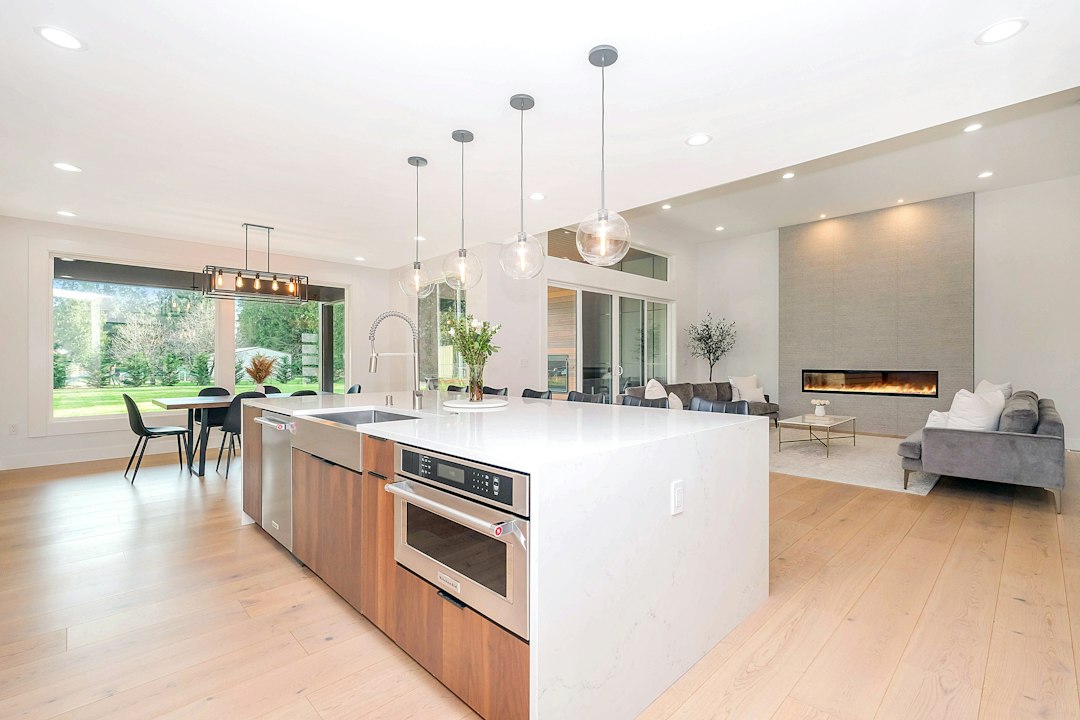
Try to establish one dominant material, one supporting material and a smaller accent. For example, warm oak cabinetry might sit alongside a pale stone worktop, with brushed nickel taps and handles providing a subtle finish. In another scheme, painted cabinetry and a quiet worktop could be balanced by a timber island or open shelf.
Request samples and view them together in the actual room. Materials can shift in appearance under cool daylight, warm evening lighting and different wall colours. A combination that looks harmonious in a showroom may feel quite different at home.
4. Treat metal finishes as a supporting detail
Brass, bronze, stainless steel and nickel can all work in an elegant kitchen, but consistency matters more than following a particular trend. Choose finishes that complement the cabinetry and appliances, then repeat them thoughtfully across taps, handles, lighting or accessories.
Brushed and aged finishes tend to be more forgiving of fingerprints than highly polished surfaces, although the result depends on the product and its coating. Before specifying a finish, check how it should be cleaned and whether it will change naturally over time. That change may be part of the appeal, but it should be expected rather than a surprise.
You do not need every metal detail to match exactly. A mix can feel intentional when one finish leads and the others are used sparingly, with similar undertones and a clear relationship to the wider palette.
5. Make lighting part of the material plan
Even excellent materials can look flat if the lighting is poorly planned. A successful kitchen usually combines general illumination with focused task lighting and softer ambient light. Under-cabinet lighting helps illuminate preparation areas, while pendants can give an island definition and create a more relaxed atmosphere in the evening.
Think about where light will fall on glossy doors, veined stone and metal surfaces. Strong reflections may be distracting in some locations, while grazing light can bring out the texture of timber or a tactile splashback. Dimmers provide flexibility as the kitchen moves from busy morning use to entertaining at night.
Choose colour temperature carefully and keep the overall scheme coherent. Warm, comfortable light often complements timber and earthy colours, but the best choice depends on the materials and the mood you want to create.
6. Use practical details to protect the finish
Long-lasting design is also about preventing avoidable wear. Plan enough landing space beside the oven and fridge, position bins and dishwashers for convenient use, and make sure the main preparation area is well lit. Good ventilation helps manage steam and cooking odours, while suitable extraction and sensible cleaning routines protect nearby finishes.
Ask how each material should be maintained before ordering. Timber may need specific cleaning products; natural stone may require sealing; and certain metal coatings can be damaged by abrasive cleaners. Keep care instructions together so everyone in the household knows how to look after the surfaces.
Where possible, choose materials that can be repaired or refreshed. Replaceable handles, accessible hinges and finishes with a clear maintenance route can help a kitchen remain attractive without requiring a complete redesign.
7. Build a palette around your home
The most convincing luxury kitchens feel connected to the rest of the property. In a period London home, timber, muted colours and carefully chosen traditional details can sit comfortably alongside original features. In a contemporary extension, larger surfaces, clean lines and a limited material palette may make more sense.
Before making final decisions, gather samples of cabinetry, worktop, flooring, wall colour and metal finishes. View them together at different times of day and consider the kitchen from adjoining rooms, not only from directly in front of the island. This helps the new space feel like part of the home rather than a separate showroom display.
The lasting appeal of a well-chosen kitchen
A timeless kitchen is rarely the result of one expensive material. It comes from a balanced combination of durable surfaces, thoughtful craftsmanship, useful lighting and details that suit the way you live. Begin with the practical requirements, narrow the palette, and invest in the elements you touch and use every day.
When each material has a clear purpose and works with the others, the result can feel luxurious without being showy—and remain inviting long after the latest kitchen trend has passed.