A luxury kitchen is not defined by expensive materials alone. The way a room is planned, lit and experienced from morning to evening can make just as much difference. In London homes, where kitchens may sit within open-plan extensions, period properties or compact townhouses, thoughtful lighting is especially important: it needs to work hard without making the room feel overdesigned.
The most successful schemes combine several types of light, each with a clear purpose. Rather than relying on a single row of ceiling spotlights, consider how task lighting, ambient illumination and decorative fittings can work together to create a kitchen that feels practical during busy weekdays and inviting when guests arrive.
1. Start with the way you use the kitchen
Before choosing pendants or finishes, map the activities that happen in the room. Food preparation, cooking, washing up, dining and entertaining each need different levels of light. A sink positioned beneath a window may receive plenty of daylight, while a tall bank of cabinetry can cast shadows across a worktop.
Identify the main work zones and make sure each has reliable, well-directed illumination. This simple step helps avoid a common mistake: choosing beautiful fittings first and discovering later that the busiest areas remain dim.
2. Layer ambient, task and accent lighting
Ambient lighting provides the room’s overall glow. Recessed downlights, discreet surface fittings or indirect light from a ceiling detail can help create an even foundation. In rooms with lower ceilings, fewer carefully positioned fittings may feel calmer than a dense grid.
Task lighting brings clarity to the places where precision matters. LED strips beneath wall cabinets can illuminate preparation surfaces without creating strong shadows from the person working at the counter. Integrated lighting inside pantry cupboards and drawers can also make storage easier to use.
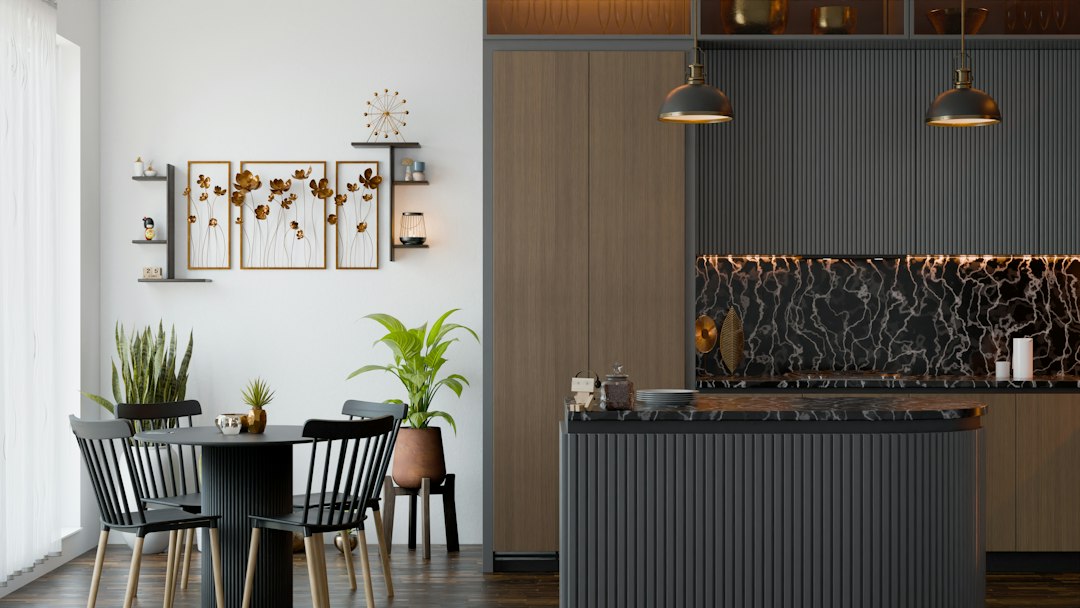
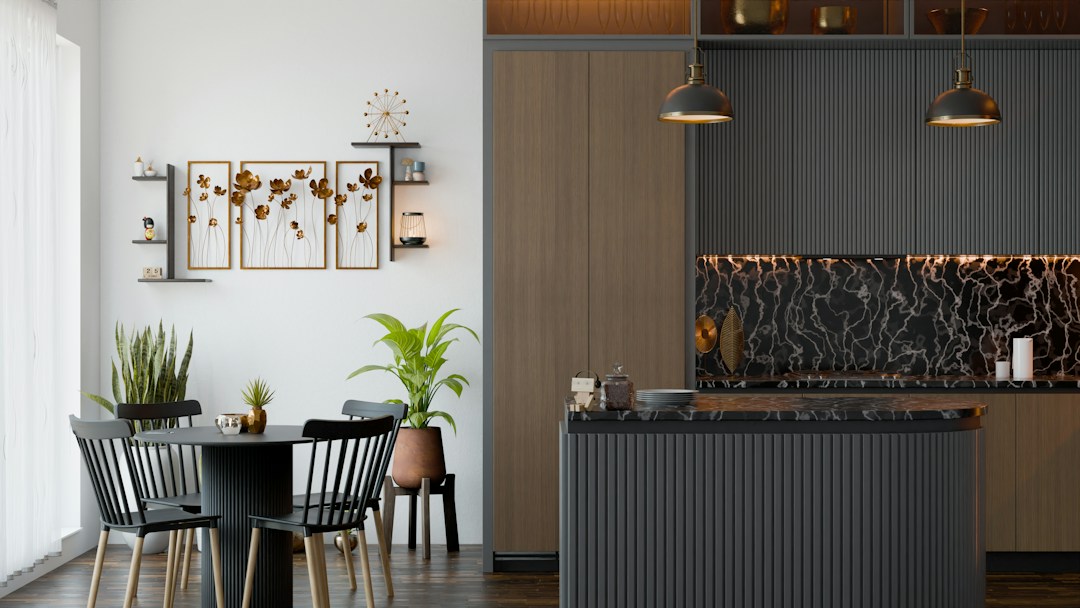
Accent lighting adds depth and atmosphere. It might highlight a textured splashback, illuminate open shelving or draw attention to a distinctive stone surface. The aim is not to light every feature, but to choose a few details that deserve emphasis.
3. Make the kitchen island a focal point
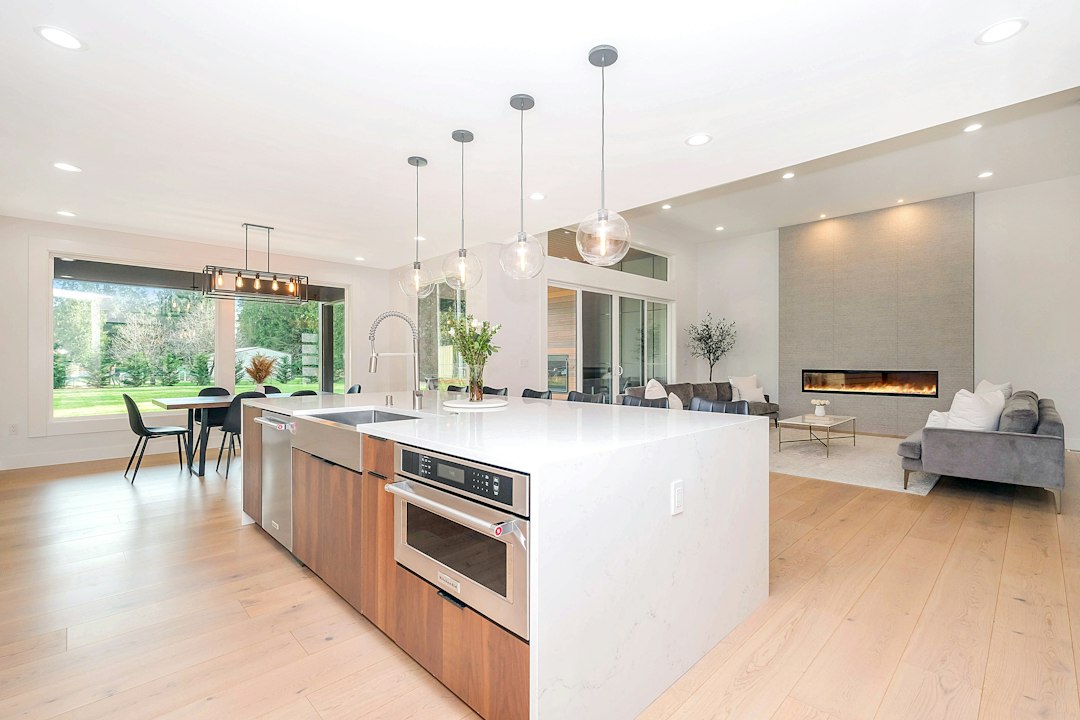
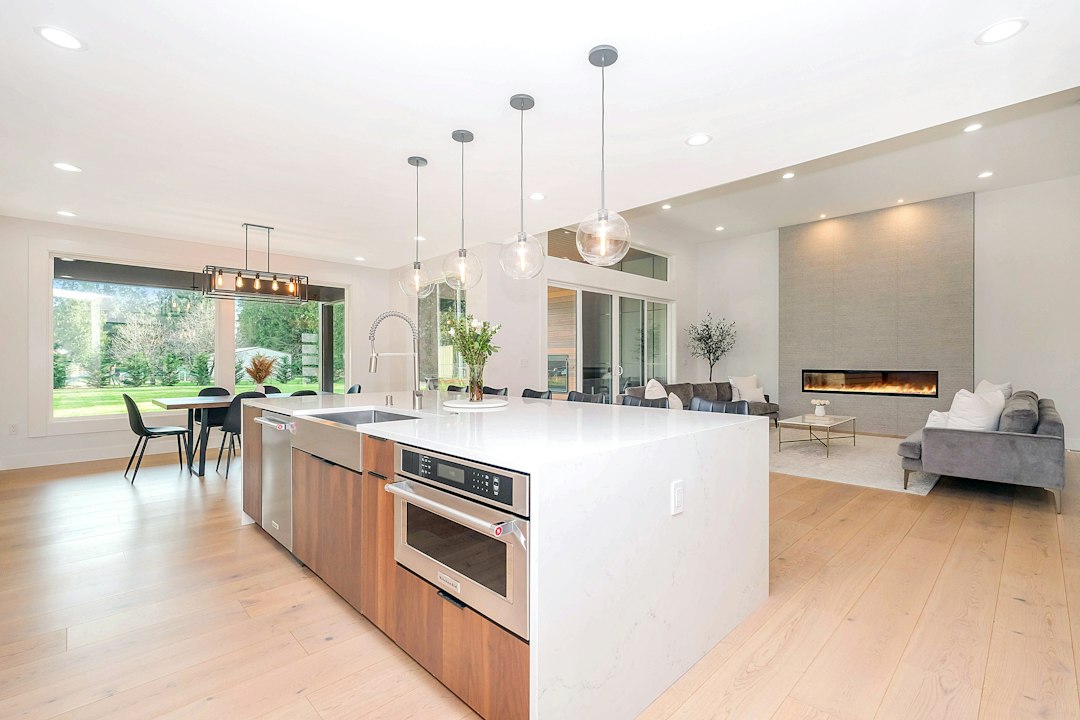
In many contemporary homes, the island is both a working surface and a social centre. Pendant lights can give it presence, particularly in an open-plan kitchen where there is no wall to define the space. Their scale should relate to the island’s length, ceiling height and the visual weight of nearby cabinetry.
Keep the fittings high enough to preserve sightlines across the room, while low enough to feel connected to the island. If a sculptural pendant is the centrepiece, let it breathe rather than competing with multiple decorative fixtures nearby. For a cleaner look, recessed ceiling lights and discreet task lighting may be enough.
4. Choose a warm, consistent colour temperature
Light colour affects how materials appear. Very cool lighting can make warm timber look flat and cause creamy cabinetry to feel stark. A warm-white range around 2700K to 3000K is often a useful starting point for residential kitchens, while the final choice should be tested against the actual finishes and the amount of daylight in the room.
Consistency matters, too. Mixing noticeably different colour temperatures across adjacent zones can make a carefully selected palette feel disjointed. Ask for samples or test lamps in the space before committing, especially when natural stone, timber veneers and painted cabinetry sit together.
5. Plan controls and dimming early
A flexible lighting scheme should adapt to the moment. Bright task lighting is useful while cooking or cleaning; softer ambient and accent lighting can make dinner feel more relaxed. Dimmers and separate switching circuits allow the same room to shift between these uses without changing the fittings.
Think about controls during the electrical planning stage, not after installation. Separate the main ceiling lights, under-cabinet strips, island pendants and display lighting where practical. For smart systems, prioritise straightforward controls that everyone in the household can use comfortably.
6. Respect the character of a London property
A kitchen in a Victorian terrace may need a different approach from one in a glass-heavy new extension. Period homes can benefit from lighting that complements existing architectural details, while contemporary spaces may make use of concealed linear illumination and minimal fittings. In either case, the goal is to make the kitchen feel connected to the rest of the home.
Natural light should remain part of the plan. Avoid placing bulky pendants where they unnecessarily obstruct a view or overwhelm a smaller room. Reflective surfaces can help spread daylight, but glossy finishes and exposed bulbs should be tested for glare from the angles where people sit and work.
7. Treat lighting as part of the material palette
Metal finishes, glass shades and the shape of a fitting all contribute to the room’s overall character. Brushed metal can sit comfortably alongside understated cabinetry; opal glass softens the appearance of a bulb; and a dark fitting can create contrast against pale stone. These choices work best when they echo a small number of details already present in the kitchen.
Do not overlook the quality of the light itself. A fitting can look beautiful in a showroom yet produce uncomfortable glare at home. Consider beam direction, diffusion, dimming compatibility and how easily the fitting can be cleaned in a room where cooking produces steam and grease.
A considered scheme makes luxury feel effortless
The best kitchen lighting is rarely about one dramatic fixture. It comes from a coordinated plan that supports everyday tasks, shows materials at their best and creates a welcoming atmosphere after dark. Start with the way the kitchen is used, layer different types of light, and make controls part of the design from the beginning.
For a renovation or new kitchen in London, reviewing lighting alongside cabinetry, worktops and electrical layouts can prevent expensive changes later. When every source has a purpose, the result feels balanced, comfortable and quietly luxurious.
Image credit: Zac Gudakov via Unsplash.