Minimalist kitchens have long been associated with handleless cabinets, spotless white surfaces and an almost gallery-like lack of decoration. But a more welcoming direction is taking shape: warm minimalism. It keeps the clarity and simplicity of modern design while introducing natural textures, softer colours and thoughtful details that make a kitchen feel lived in.
For homeowners planning a bespoke kitchen, the appeal is easy to understand. A kitchen should look considered, but it also needs to work for busy mornings, family meals and evenings with friends. Warm minimalism aims to bring those needs together, creating a room that feels quietly luxurious without relying on flashy finishes.
Start with a restrained, warmer palette
Rather than building the whole scheme around brilliant white, consider soft ivory, putty, mushroom, warm grey or muted clay. These colours can still make a room feel light, but they have more depth and are often easier to live with than a stark, high-contrast scheme.
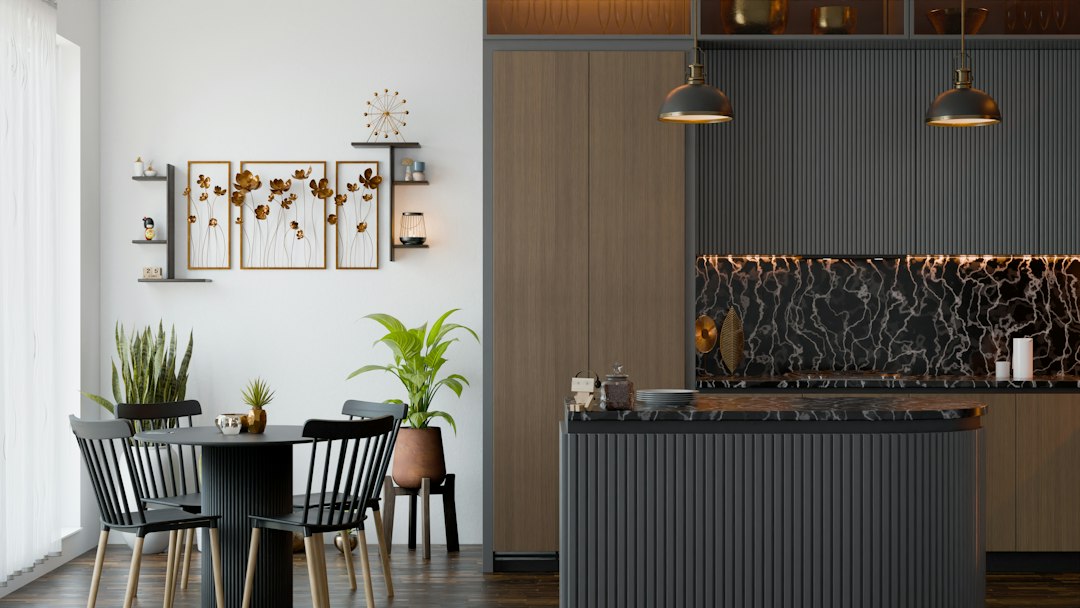
Natural timber can provide the visual anchor. Oak, walnut and smoked wood tones work well on island panels, tall cabinetry or open shelves. The key is to choose a small group of complementary finishes and repeat them deliberately. Too many competing wood tones, metals and stone patterns can make a restrained design feel busy.
Before settling on colours, look at samples in the actual kitchen at different times of day. North-facing rooms, shaded extensions and spaces with large south-facing windows can make the same finish appear very different. Artificial lighting changes the impression again, so assess samples under both daylight and the lighting you intend to install.
Let materials provide the interest
When a kitchen has relatively simple forms, the quality and texture of its materials become more noticeable. A honed stone worktop, fine-grain timber veneer, gently textured ceramic tile or matte-painted cabinet can add character without needing decorative patterns everywhere.
Contrast is useful, but it does not have to be dramatic. Pair smooth cabinetry with a tactile splashback, or combine a quiet stone surface with a ribbed timber island panel. A single distinctive material can be more effective than several statement finishes competing for attention.
Natural stone varies from slab to slab, while engineered surfaces tend to offer more consistent patterns. Neither is automatically better. Consider maintenance, staining, heat, the way the surface will age and how much variation you enjoy. Ask to see a full slab or a large sample wherever possible; a small showroom sample rarely tells the whole story.
Choose cabinetry that keeps the room calm
Warm minimalism depends on visual order, so cabinetry deserves as much attention as the visible finishes. Full-height storage can create a clean architectural backdrop, while integrated appliances help reduce the number of separate shapes and materials in view. Handleless doors, recessed pulls or discreetly placed hardware can all work, provided the chosen system feels comfortable to use.
Think about what needs to be hidden and what deserves to remain accessible. Small appliances can live in an appliance cupboard, while everyday plates and glasses should be easy to reach. Deep drawers often make cookware easier to organise than low cupboards with fixed shelves. Internal dividers, pull-out trays and dedicated pantry storage help the kitchen stay composed during daily use.
Do not sacrifice function just to achieve an uninterrupted cabinet front. Check how doors open near walls, whether integrated bins are convenient, and whether the storage layout suits the people who will use it. A beautifully minimal kitchen becomes frustrating if ordinary tasks require too many steps.
Use lighting to create depth
Lighting can make a neutral kitchen feel either flat or inviting. A successful scheme usually combines general illumination with task lighting and softer accent lighting. Under-cabinet lights make preparation safer and bring out the texture of a splashback; pendants or decorative fittings can give an island a more intimate character.
Choose light sources with a consistent colour temperature, and consider dimming where practical. Bright, even light is useful while cooking, whereas a softer setting can make the kitchen feel connected to the dining and living areas in the evening. Plan the positions early so that fittings do not cast shadows across work surfaces or clash with tall doors.
Make the layout feel effortless
Visual simplicity is only convincing when movement is equally considered. Keep the main routes between the refrigerator, sink, cooking zone and preparation area clear. Allow doors and drawers to open without blocking the natural path through the room, and think carefully about where people will stand when more than one person is cooking.
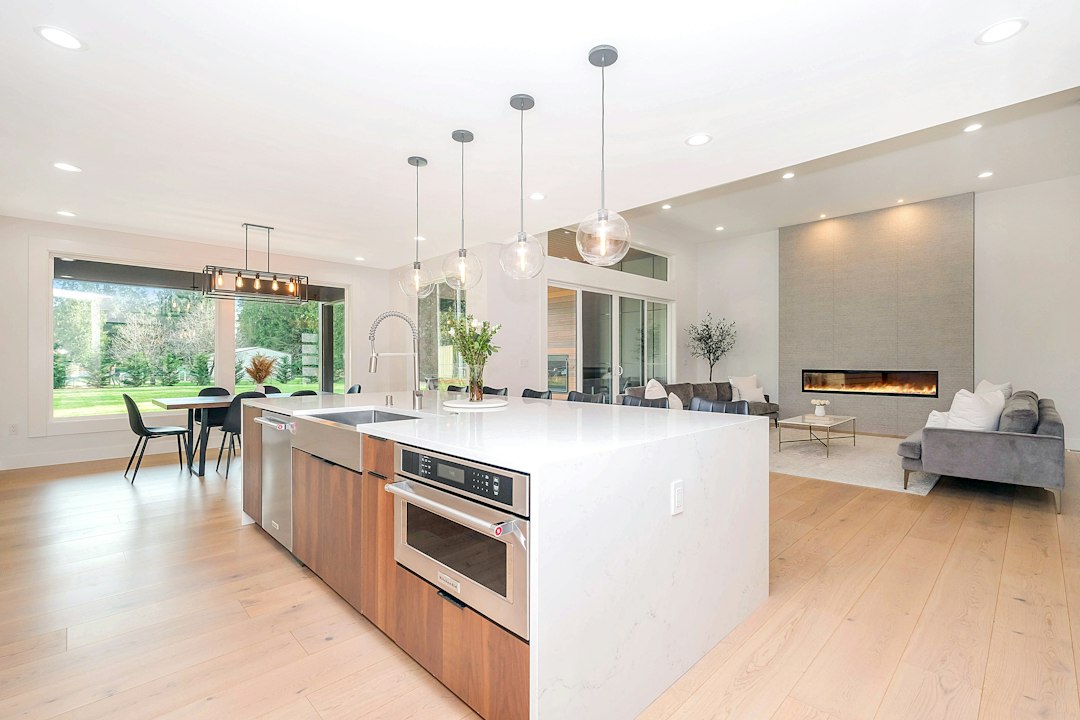
An island should suit the room rather than dominate it. A smaller island with comfortable circulation can be more useful than a larger one that creates bottlenecks. If the kitchen is compact, a peninsula or a well-designed run of cabinetry may provide better storage and worktop space.
Add personality with a few deliberate details
Warm minimalism is not the same as removing every personal object. A favourite ceramic bowl, a timber stool, a framed print or a small display of everyday glassware can stop a kitchen feeling anonymous. The difference is that each item has room to be appreciated.
Choose details that are useful or meaningful rather than filling every empty surface. A distinctive tap, carefully selected handles or one sculptural pendant can provide a focal point without overwhelming the overall design. Plants and natural materials may soften the scheme, provided they suit the available light and the realities of kitchen use.
Plan for real life, not just the photograph
Before approving a design, test the practical decisions. Where will shopping bags be unloaded? Is there a convenient place for the kettle or coffee machine? Can the dishwasher be opened while someone passes? Is the bin close to the main preparation area? These everyday questions determine whether the kitchen feels genuinely effortless.
It is also worth being realistic about upkeep. Highly polished surfaces show fingerprints differently from matte finishes; open shelves require regular dusting; natural stone may need specific care. Choose materials whose maintenance fits your routine rather than selecting a finish solely because it looks beautiful in a photograph.
The enduring appeal of warm minimalism
The strongest warm-minimalist kitchens are not built around one fashionable colour or material. They balance a calm palette, tactile finishes, well-planned storage and lighting that adapts to different moments of the day. Their luxury comes from how naturally everything works together.
If you are planning a kitchen renovation, begin with the feeling you want the room to create and the activities it must support. Then narrow the palette, invest in the details you touch every day and make sure the layout is comfortable before committing to decorative choices. The result can be contemporary without feeling cold, refined without being precious, and simple without losing personality.
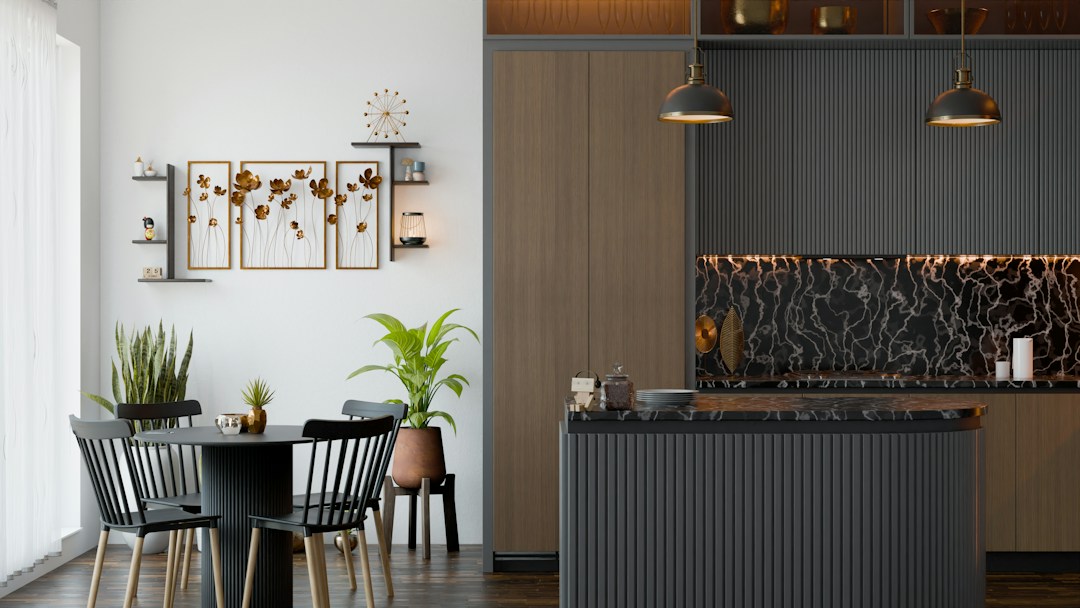
Image: Contemporary kitchen interior. Photo by Zac Gudakov via Unsplash.